
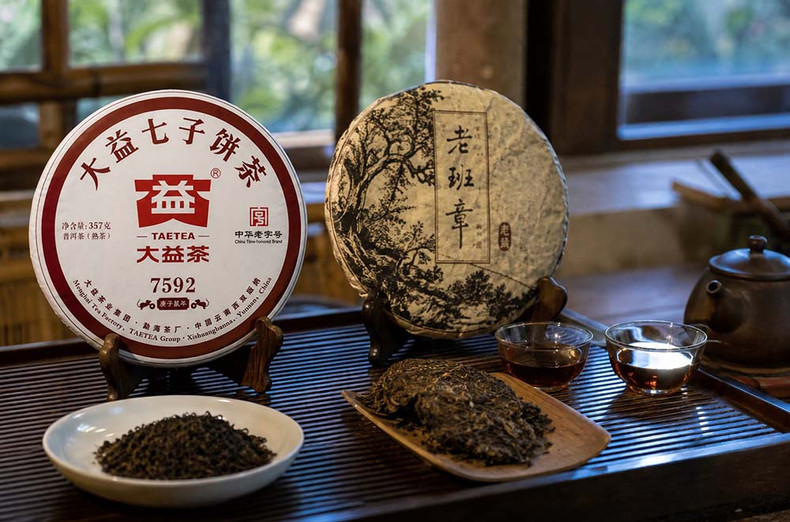
One of the most common questions newcomers ask when exploring puerh tea is why the market seems divided between large, established tea factories and a growing number of smaller boutique brands. Some tea drinkers assume factory-produced puerh must be more authentic because of its long history, while others believe that small-batch boutique teas are automatically superior because they appear more exclusive.
The reality is far more nuanced.
Factory puerh and boutique puerh represent two different approaches to making and presenting tea. Neither exists to replace the other, and neither can be judged solely by price, rarity, or production scale. Understanding the difference requires looking beyond marketing language and examining the goals behind each model.
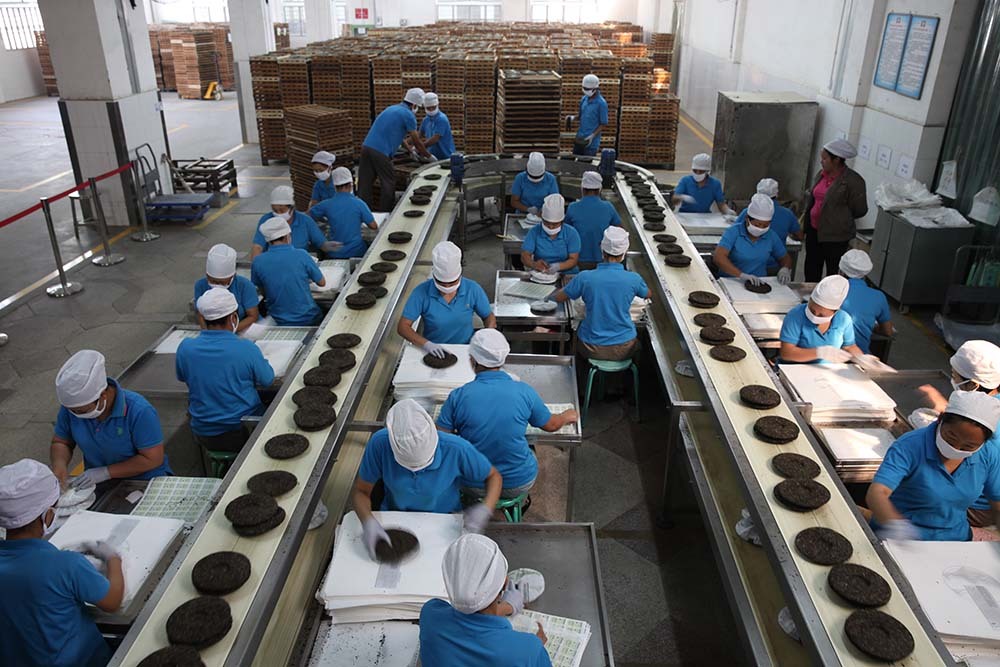
Modern puerh tea culture was built largely upon the foundation established by major tea factories. For decades, these factories played a central role in processing tea, developing production standards, and creating many of the products that shaped how consumers understand puerh today. Some of the most influential recipes in the history of puerh tea originated from factory production systems designed to maintain consistency across years and generations.
This idea of consistency is perhaps the defining characteristic of factory puerh.
When people purchase a well-known factory tea, they are often looking for a familiar experience. While each year's harvest naturally reflects slight variations in weather and growing conditions, the overall character of the tea is intended to remain recognizable. Consumers know roughly what to expect from the aroma, texture, structure, and aging potential because the tea follows an established style that has been refined over many years.
Achieving that level of consistency is far more complicated than many people realize. Large factories typically source leaf material from multiple regions and combine different lots through a process known as blending. Outside the tea world, blending is sometimes misunderstood as a way to lower quality. In reality, blending has long been one of the most respected skills in traditional tea production.
A skilled blender understands how different materials complement one another. One region may contribute body and depth, another may provide fragrance, while a third may improve the tea's aging potential. The goal is not to hide imperfections but to create balance. In many cases, a well-executed blend can produce a more complete and harmonious tea than any single source could achieve on its own.
Boutique puerh emerged from a different set of priorities.
As consumers became increasingly interested in terroir, origin, and traceability, demand grew for teas that expressed the unique characteristics of specific mountains, villages, or even individual tea gardens. Rather than pursuing consistency year after year, many boutique producers sought to highlight the differences that make each harvest distinctive.
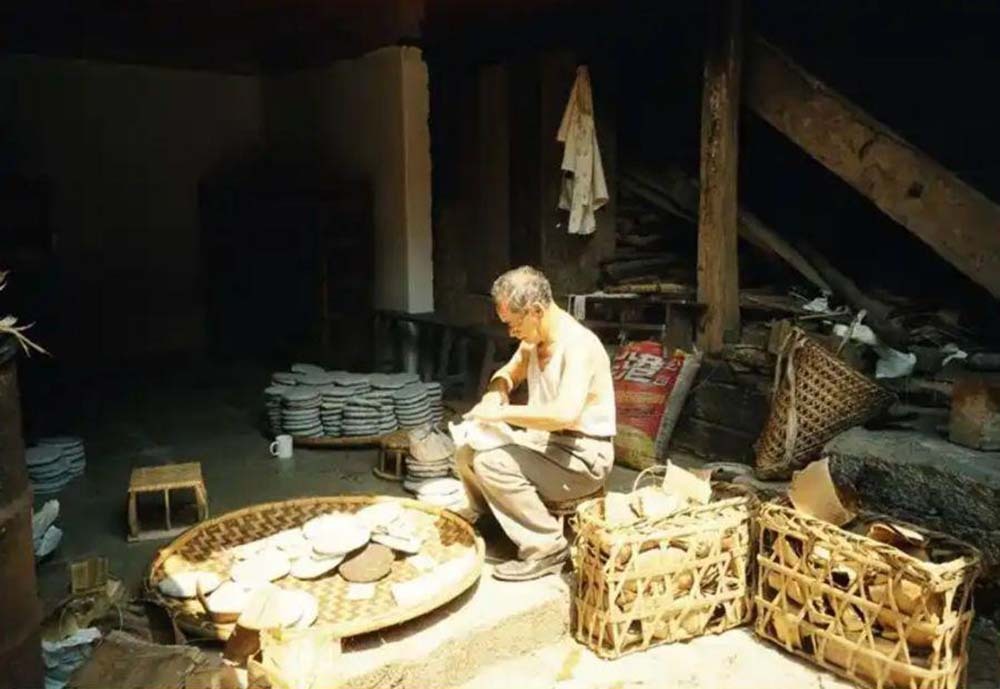
This approach allows tea drinkers to experience the diversity of Yunnan's tea-growing regions in a more direct way. A tea from one mountain may display intense floral aromatics, while another emphasizes bitterness, minerality, sweetness, or powerful qi. For experienced enthusiasts, exploring these differences can be one of the most fascinating aspects of the puerh journey.
However, uniqueness comes with trade-offs.
A remarkable tea from one harvest may be impossible to reproduce the following year. Weather conditions change. Raw materials vary. Even slight differences in processing can significantly affect the final result. Boutique puerh often embraces this variability as part of its appeal, viewing each production as a snapshot of a particular place and time rather than an attempt to create a permanent house style.
Because of this, discussions about whether factory puerh or boutique puerh is "better" often miss the point.
The two categories are pursuing different objectives.
Factory puerh generally prioritizes consistency, balance, and continuity. Boutique puerh often prioritizes individuality, terroir expression, and exploration. Comparing them directly is similar to comparing a symphony orchestra with a solo performance. Both can be exceptional, but they are designed to deliver different experiences.
There is another misconception, particularly among Western consumers, that deserves attention.
Many people hear the term "factory tea" and immediately associate it with mass-produced industrial products. In other industries, factory production often implies lower quality, heavy automation, and a focus on volume over craftsmanship. Applying that assumption to puerh tea can be misleading.
Puerh remains fundamentally an agricultural product. Regardless of the size of the producer, quality begins with the tea leaves themselves, the growing environment, harvesting standards, and processing decisions. Even large factories continue to rely heavily on traditional methods such as hand-plucking and sun-drying. Production may occur on a larger scale, but scale alone does not determine quality.
In fact, larger factories often possess advantages that smaller producers may struggle to match. Extensive quality control systems, experienced production teams, long-term sourcing relationships, and decades of accumulated expertise all contribute to the consistency of the final product. Standardization in this context is not about making tea generic. Rather, it is about reducing unnecessary variation while preserving a recognizable style.
History provides further evidence that factory tea should not be dismissed as ordinary industrial output. Many of the most celebrated and collectible puerh teas ever produced came from large factories. These teas earned their reputations not because they were rare or exclusive, but because they demonstrated quality, reliability, and the ability to age gracefully over time.
The distinction between factory puerh and boutique puerh is therefore not a simple contrast between industrial and artisanal production. A more accurate way to view it is as a contrast between established blends and individual expressions, between continuity and experimentation, between consistency and uniqueness.
For newcomers, factory teas often provide an excellent foundation for understanding the fundamentals of puerh. They offer reference points that help tea drinkers develop their palate and learn how puerh evolves with age. Once that foundation is established, exploring boutique productions can become even more rewarding because the differences are easier to recognize and appreciate.
Interestingly, many experienced puerh drinkers eventually stop viewing factory and boutique teas as opposing categories. Instead, they enjoy both for different reasons. Some days call for the comfort of a familiar classic. Other days invite the excitement of discovering something entirely new.
In the end, the richness of the puerh world comes not from choosing one side over the other, but from understanding what each approach contributes to the remarkable diversity of this unique tea tradition.