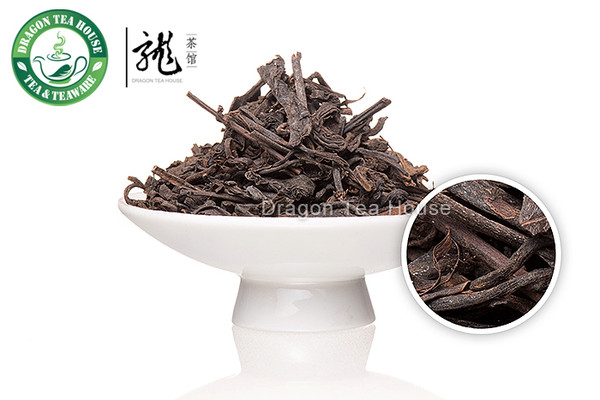
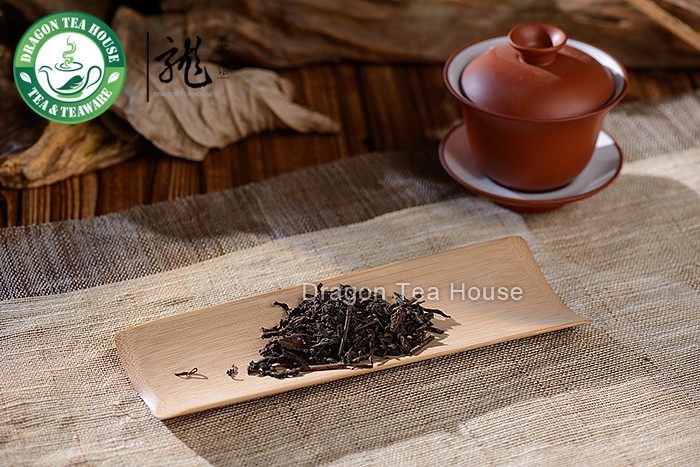
90s Aged Loose Liu Bao Dark Tea Guangxi Heicha

DRAGON TEA HOUSE

(1 review) Write a Review
US $3.99 - US $72.99
Shipping:
FREE Economy (Upgrades Available)
Type:
Black
Origin:
China
Form:
Loose
Packaging:
Bag
Year:
90s
Flavored:
No
Primary Flavor:
Earthy
Adding to cart… The item has been added
🍵
Taste with confidence
Not your taste? We’ll make it right
📦
Carefully packed
Handled with care and shipped within 3–5 business days
🌍
Free worldwide shipping
No minimum, no extra charges

Product Overview


Liubao tea production in the Guangxi Zhuang Autonomous Region in northwest Liubao Cangwu County mountains. Cangwu County, situated between the Tropic of Cancer (latitude 23 ° 27 '), strong solar radiation, high temperature, rainfall Fung, average temperature 21.2 ° C with an average annual precipitation of 1500.7 mm. It is produced into withering leaves, rolled, chopped, moisten pile and dried. Liubao has characteristics of the "steaming", put into big barrels and steamed soft. It has to be stored for two months before it is finished. Its red color of thick, the aroma contains unique betelnut flavor.


It is not Pu-erh, but it is a kind of black tea and has a history of 1,500 years. There are Liubao in cakes, bricks, tuos, coin shapes and loose leaves in bamboo baskets. The longer it has been stored, the better the taste it is.


It's very common to see golden/yellow color fungi called Golden Flower fungi (Eurotium Cristatum) on Liu Bao Cha and these fungi are an indication of good quality Liu Bao cha. This kind of fungi is also commonly seen on dark tea, it is completely safe and it is NOT mold at all.


Brewing guide: It is ideal to serve Liu Bao with boiling water of about 95 to 100 degree C. The quantity of tea to be placed for brewing should be decided by the size of the tea pot used, in general, 1:50 is most adopted. Pour boiling water into the tea pot and brew for 3-5 minutes then the tea is ready for taste. It is recommended to wash the tea for 2 times with boiling water before brewing.


Reviews

(1 review) Write a Review

1 Review Hide Reviews Show Reviews

  • 4
    It's not a tea, it's a hike in the forest (complete with the ground)

    Posted by Rodolfo Arturo González Trillo on 2026-04-30 8:03

    I'd been wanting to try a truly aged tea for a while. Not one of those that claim to have "aged notes," but one that had actually spent decades in a real cellar. So when I saw this Liu Bao from the 90s, I couldn't resist. And I have to be honest: the first two infusions made me hesitate. I didn't know if I'd picked the wrong tea or if it was spoiled. It smelled and tasted like freshly dug earth, like living soil. Like that smell you get when you pull up a pile of grass and the earth is damp. The aftertaste was dense, like mud. If you haven't tried fermented teas before, this is going to be a shock. You'll probably think, "Is this drinkable?" But if you're patient, and especially if you enjoy the adventure of tea, keep going. Follow the instructions on the packaging that recommend washing it twice. And then something magical happens. From the third infusion onward, the mud begins to soften. An unexpected sweetness emerges, like burnt rice. The color deepens to a rich red, with bright yellow edges that tell you this is no ordinary tea. Then comes the pine. A tender, clean, dry pine. And the wood. It's no longer just earth, it's the forest: first a dense oak, then a pine that transports you to a mountain. And just when you think it's over, in the final infusions, a salty umami emerges, a flavor difficult to describe, like a very light broth. And further at the end, a hint of honey, leather, and an almost vanilla-like sweetness that reconciles you with the entire journey. I won't lie. This isn't a tea to share with friends on a Sunday afternoon. If you give it to someone who isn't aware of it, they'll look at you like you're a freak and say you're giving them "mud in a glass." It's not an easy tea. It's not a tea for beginners. It's a tea for explorers. For those who understand that well-made aged tea tastes of living earth, not dead earth. Like a pine forest, soil and all. I've managed to get up to eight infusions out of it with great pleasure. And when I finished, I understood why some call Liu Bao "the whiskey of teas." It has that same complexity, that same slow burn, that same feeling of sipping on time. If you like fermented beverages, if you have patience and want to try a tea that is truly a journey (and not just a drink), this 90s-era Liu Bao is a fascinating experience. It's not for everyday use. But for those days when you want to feel like you're in a pine forest, with the earth beneath your feet... there's nothing like it.